CRYOMETAL
Cold resilience: ecotoxicological adaptations to metal contamination in cold-extreme environments
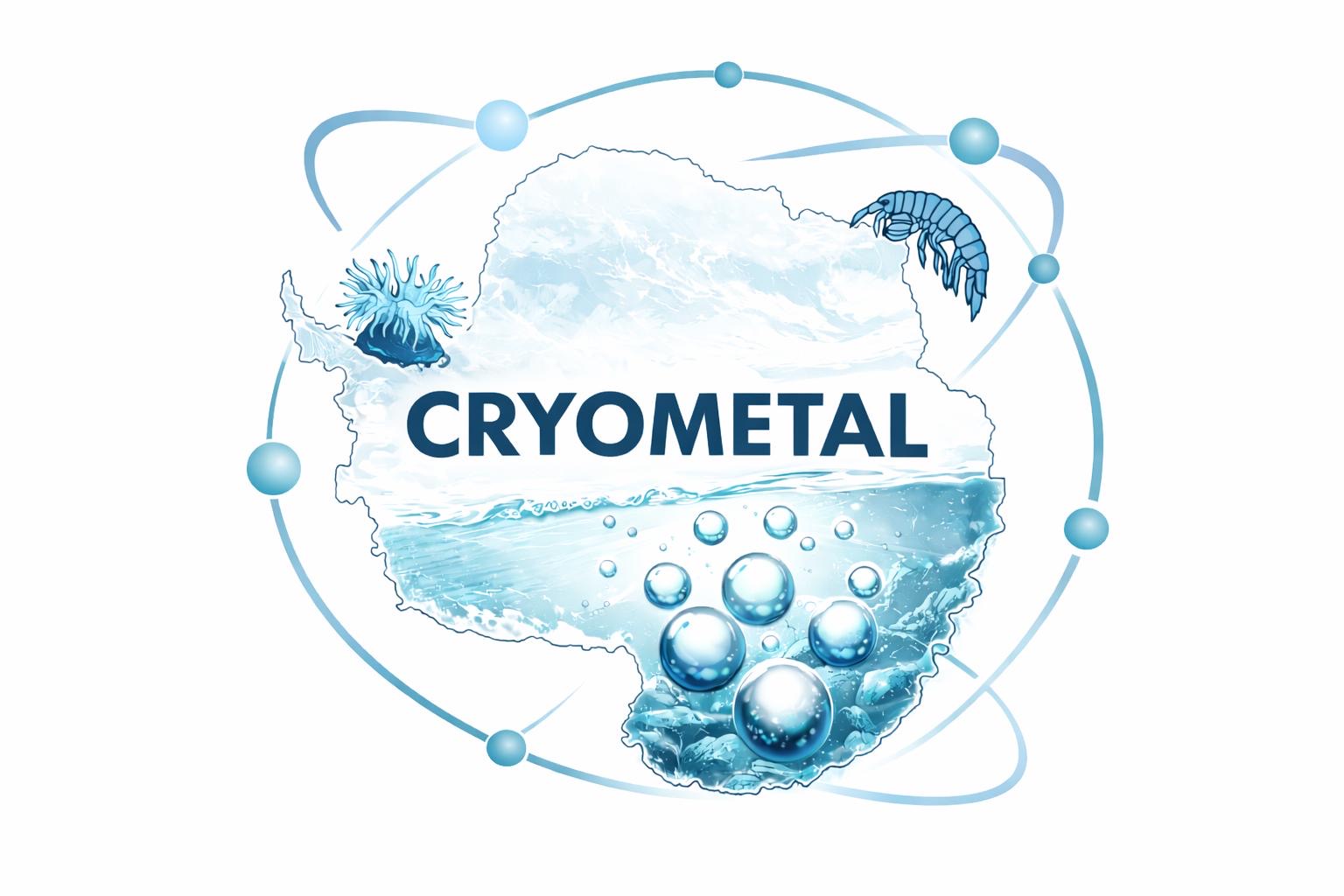
As cold-extreme environments face increasing pressure from metal contamination and climate change, understanding how cold-adapted marine organisms respond is critical. CRYOMETAL investigates the combined effects of metal toxicity, particularly manganese (Mn) and sediment plumes associated with polymetallic nodule fields, and seawater warming on marine invertebrates.
The project is strongly grounded in Antarctic field-based research, focusing on organisms collected in the Antarctic Peninsula, particularly around King George Island. Using key model species such as sea anemones and amphipods, CRYOMETAL investigates physiological adaptations, immune responses, and the identification of novel molecular biomarkers linked to environmental stress.
To broaden its comparative scope, CRYOMETAL also incorporates deep-sea ecosystems through a funded collaboration with the TOX-IN-COLD project, enabling access to fieldwork and samples from the Clarion-Clipperton Zone (CCZ). This partnership allows for a unique cross-ecosystem perspective on organismal resilience and vulnerability in cold and remote marine environments. By integrating ecotoxicological, transcriptomic, proteomic, and histological approaches, CRYOMETAL aims to advance environmental monitoring frameworks and support evidence-based recommendations for the conservation and sustainable management of both Antarctic and deep-sea ecosystems.
This project aims to develop novel methodologies and identify biomarkers in cold- adapted species (sea anemones and amphipods) to compare and to assess ecotoxicological impacts in Antarctica and deep-sea ecosystems. Specifically, it will:
1) Investigate evolutionary adaptations and toxicological thresholds to metal exposure and ocean warming;
2) Evaluate biological responses of target species under these stressors;
3) Compare findings with data from temperate ecosystems, 2021 Patania II deep-sea mining trial and other missions involved in BiDiRisk, DEEPREST, BGRMangan and TOX-IN-COLD projects.
Results will support ecotoxicological assessments, enhance understanding of species resilience, and contribute to conservation strategies and regulatory frameworks for these unique cold marine environments.
CIMA TEAM